Water Retention vs. Swelling: What's the Difference?
A plain-language guide to fluid buildup, edema terminology and why the underlying cause matters.
/guides/lymphatic-health/water-retention-vs-swelling/
Your lymphatic system helps return excess tissue fluid to the bloodstream, supports immune function, and participates in the absorption of certain dietary fats. Swelling can involve fluid buildup, but it is not automatically a sign of a “blocked” or “sluggish” lymphatic system.
This NutraNova Health hub explains the basics without turning wellness language into a diagnosis. Use it to understand lymphatic function, swelling, manual lymphatic drainage, common search terms, and where supplements fit — or do not fit — into the evidence.

Use these paths to jump directly to the question behind your search. The goal is to separate normal physiology, symptoms that can have many causes, and commercial wellness terminology.
The lymphatic system is a network of vessels, lymph nodes, tissues and organs that works alongside the circulatory and immune systems.
Fluid constantly moves between the bloodstream and the tissues around your cells. Most of that fluid returns directly to the bloodstream. The lymphatic system collects part of the remaining excess tissue fluid and moves it through lymphatic vessels before returning it to circulation.
Along the way, lymph passes through lymph nodes. These structures contain immune cells and help filter material carried in lymph. The lymphatic system also has an important role in absorbing certain fats and fat-soluble vitamins from the digestive tract.
That means “lymphatic health” is broader than massage, supplements or swelling. It describes a real body system with fluid-balance, immune and digestive functions.
Lymphatic vessels collect excess interstitial fluid and eventually return it to the bloodstream.
Lymph nodes contain immune cells that help respond to harmful substances carried in lymph.
Specialized intestinal lymphatic vessels help move dietary fats and fat-soluble vitamins.
Swelling is a symptom, not a diagnosis. The cause matters more than the label a wellness product puts on it.
Swelling in the feet, ankles or legs often reflects fluid buildup in the tissues, commonly called edema. Long periods of sitting or standing can contribute, but swelling can also be associated with medicines, pregnancy, vein problems, injury, infection, blood clots, and conditions involving the heart, kidneys, liver or other systems.
Lymphedema is more specific. It refers to swelling caused by impaired lymphatic drainage and a buildup of lymph fluid in tissues. It can occur when lymph vessels or lymph nodes are damaged, blocked or abnormal.
A person searching “swollen ankles after sitting” may simply be looking for a common explanation and practical next steps. A person with persistent one-sided swelling, sudden painful swelling, redness, heat or other concerning symptoms needs a different level of evaluation. Those situations should not be collapsed into a generic “lymph detox” explanation.
Prolonged sitting can contribute to lower-leg swelling, but it is only one possible explanation.
A general term for swelling caused by fluid accumulation in body tissues.
Swelling associated with disrupted or impaired lymphatic flow.
In clinical care, manual lymphatic drainage has a specific meaning. It should not be confused with a supplement, tea, cleanse or generic wellness claim.
Manual lymphatic drainage (MLD) is a gentle massage technique used as part of lymphedema care. A trained clinician or therapist may use specific movements to help direct trapped fluid toward functioning lymphatic vessels. Depending on the situation, treatment may also involve compression, exercise, skin care and other measures.
MLD is not appropriate for everyone, and self-treatment should not be assumed to be safe in every circumstance. For example, medical guidance is important when blood clots, infection, active cancer or other health concerns may be relevant.
A specialized physical technique used in clinical lymphedema management and related care. It has defined methods, indications and precautions.
A positioning phrase that may describe a product's intended wellness category. It is not, by itself, evidence that the product changes lymphatic function or treats swelling.
For common mild swelling related to long periods in one position, simple movement and positioning can matter. The right approach still depends on the cause.
Regular movement can help blood flow and may reduce swelling associated with staying in one position for too long.
Both prolonged sitting and prolonged standing can contribute to ankle, foot or leg swelling in some people.
For common mild swelling, raising the affected area may help. Persistent or unexplained swelling still needs an explanation.
A recurring symptom should not be reduced to a detox narrative. Medicines, circulation, injuries and medical conditions can all matter.
Explore focused guides on symptoms, liquid supplements and buying questions. Start with an introduction, examine the evidence, or compare Linfozen with other options.
Common reasons prolonged sitting can contribute to ankle and lower-leg swelling, what may help, and signs that deserve medical attention.
Read guide → Published guideA careful look at heaviness, swelling, venous factors, prolonged standing or sitting, and when symptoms warrant evaluation.
Read guide → Published guideStart with the label, then compare the offer.
Read guide → Published guideSeparate research, testimonials and product claims.
Read guide → Published guideStart with Linfozen, then compare five alternatives by formula and purchase details.
Read guide →A plain-language guide to fluid buildup, edema terminology and why the underlying cause matters.
/guides/lymphatic-health/water-retention-vs-swelling/A fact-check of “cleanse,” “detox” and “sluggish lymph” language compared with established lymphatic physiology.
/guides/lymphatic-health/lymphatic-cleanse/Evidence-aware habits, movement context, common misconceptions and the limits of supplement claims.
/guides/lymphatic-health/support-lymphatic-flow/Supplements can be marketed around fluid balance, circulation, drainage or lymphatic support. Those phrases should be evaluated as claims about a product — not as proof of a medical effect.
When NutraNova Health reviews a supplement in this category, we separate three questions: what the seller says, what is actually listed in the formula, and what evidence exists for the finished product. Research on a single ingredient does not automatically establish the outcome of a multi-ingredient supplement.
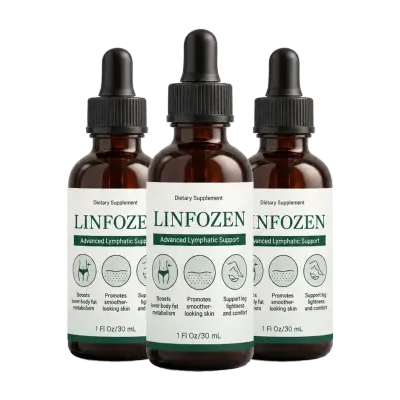
Linfozen is marketed with lymphatic-flow, natural-drainage, fluid-balance, puffiness and circulation language. Our independent review examines the public formula information, current pricing, purchase terms and evidence limitations without presenting the supplement as a treatment for swelling or lymphatic conditions.
Read the independent Linfozen review →The review contains affiliate links. NutraNova Health is not the manufacturer or official Linfozen website.
A wellness guide cannot determine the cause of swelling. Some patterns are more important to evaluate promptly.
Seek emergency medical care for swelling accompanied by shortness of breath, difficulty breathing, chest pain or tightness, coughing up blood, fainting, confusion or other severe symptoms. These combinations can signal a serious condition and should not be self-treated as “water retention.”
Short, direct answers to the questions that commonly appear around lymphatic health, swelling and drainage.
The lymphatic system helps collect excess fluid from tissues and return it to the bloodstream, supports immune function, and helps absorb certain dietary fats and fat-soluble vitamins.
No. Swelling can have many causes, including prolonged sitting or standing, medicines, injury, vein problems, pregnancy, infection, blood clots, and heart, kidney, liver or other medical conditions.
Yes. Prolonged sitting or standing can contribute to swelling in the ankles, feet or legs. Persistent, unexplained, sudden or painful swelling should be medically evaluated.
Manual lymphatic drainage is a specialized gentle-massage technique used in clinical lymphedema care to help move trapped fluid toward functioning lymphatic vessels. It is not the same thing as taking a dietary supplement.
“Lymphatic cleanse” is commonly used as a wellness or marketing phrase rather than as a formal medical diagnosis or standard clinical treatment. NutraNova Health evaluates claims using more specific concepts such as lymphatic function, edema, lymphedema and manual lymphatic drainage.
A dietary supplement should not be treated as a substitute for medical evaluation or established lymphedema care. Persistent or unexplained swelling deserves appropriate medical assessment.
Linfozen is a botanical dietary supplement marketed with lymphatic-flow, natural-drainage, fluid-balance and circulation language. NutraNova Health treats those phrases as product positioning unless supported by finished-product clinical evidence. See our independent Linfozen review for the product-specific analysis.

Valeria researches nutrition, dietary supplements and natural wellness topics with an emphasis on evidence, transparent product information and realistic consumer expectations.
We prioritize established medical and government sources for anatomy, edema, lymphedema and clinical lymphatic-drainage context.
Used for lymphatic-system functions including fluid balance, immune roles and fat absorption.
Used for common swelling causes, prolonged sitting or standing, self-care context and urgent warning signs.
Used for the definition of lymphedema and the relationship between impaired lymph flow and swelling.
Used for manual lymphatic drainage, compression and clinical-treatment precautions.